Buying Guide・2023-05-30
What is a PA System? Benefits of Digital Public Address & Equipment Selection Guide
Industry Insights
Public Address System
A Public Address System (PA System) is a broadcast system that serves the public within a specific area. It is basically composed of equipment such as microphones, amplifiers, and speakers. It is widely used in stations, airports, schools, campus broadcasting systems, communities, department stores, office buildings, ships, etc. Common functions include general and emergency broadcast messages and background music playback, making it one of the indispensable infrastructures in various public places.
A PA system is not just equipment and hardware, but a functional requirement. Different environments, venues, and user operations all require different presentations. Its diverse functions can meet the needs of different users. Unlike general security monitoring systems, a PA system can clearly and accurately convey relevant information to people in designated areas, avoiding environmental noise that affects the normal conversation and daily routines of others, thereby balancing the reinforcement of site security with the creation of a harmonious atmosphere.
Mainstream PA System Architecture
Traditional PA systems use analog audio systems, cascading through multiple sets of equipment and cables. However, when complex functions are required, assembly and maintenance become very difficult, and zoned broadcasting cannot be executed.
With the advancement of technology and digitization demands, PA systems have moved towards a brand-new digital architecture, providing users with greater operational convenience and a higher-quality message transmission experience. Modern mainstream broadcasting can be divided into audio broadcasting and audiovisual broadcasting. By utilizing digital and network technologies as the transmission architecture, a complete PA system solution can be built, simplifying the overall architecture, setup, operation, and maintenance. This can be easily achieved by connecting to PoE switches via network cables, enabling more flexible zoned broadcasting.
Audio Broadcasting
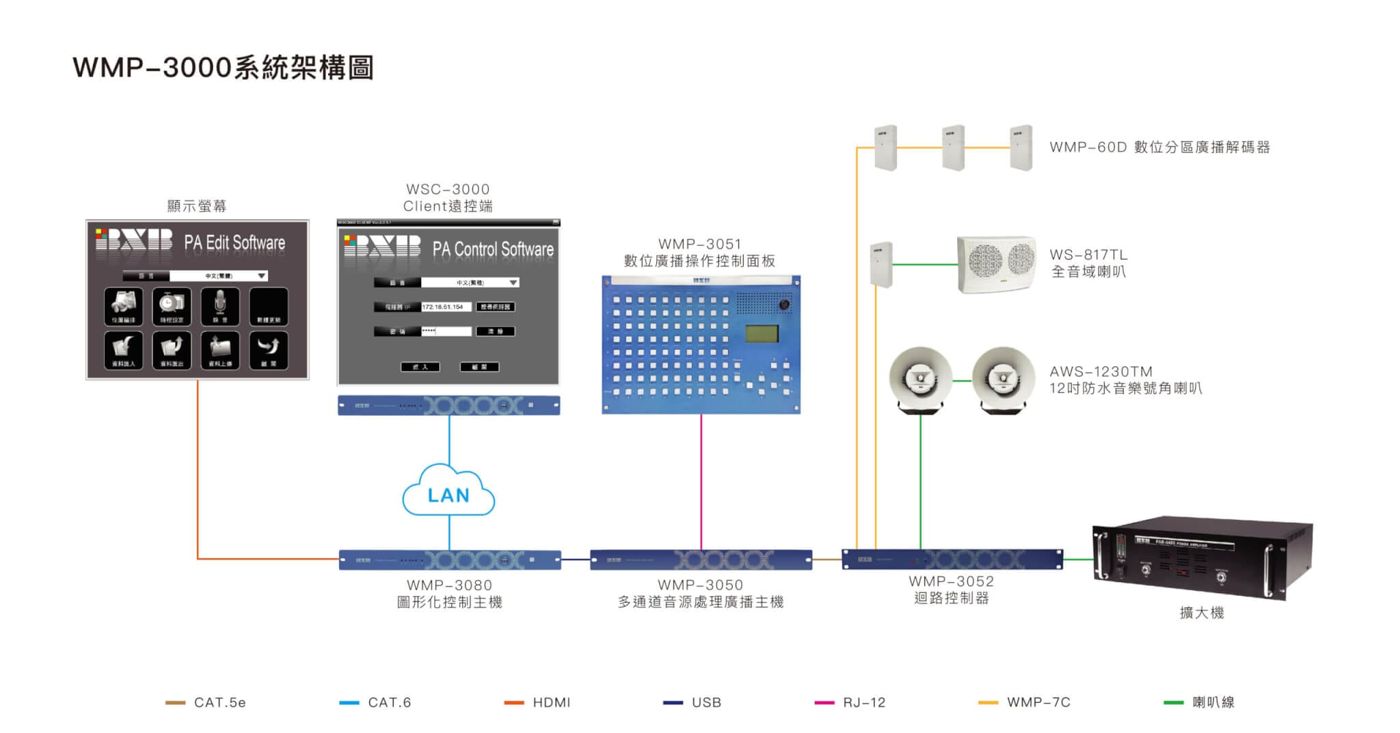
Through existing Ethernet connection technology, the graphical host is operated to execute broadcast audio input, which is then transmitted by the terminal decoding equipment to the PA equipment for broadcasting. It can control hundreds of zones simultaneously with a single machine, and groups can be set up to execute quick broadcasts. Schedule broadcasts and emergency triggers can also be easily deployed. (Refer to
BXB WMP-3000 Digital Addressable PA System) Audio-visual broadcasting, also known as silent broadcasting,
, which also connects TV equipment across the entire area through existing network connection technology, allowing real-time remote operation and broadcasting via computer or mobile phone. In addition to publishing various AV content (videos, images, or audio), silent broadcasting can also be achieved through text notifications (in the form of marquee text). Under the main AV streaming technology, it also
Integrating IoT technology, scalability and usage flexibility are greatly enhanced to cope with potential future changes in venue layout and equipment expansion needs.
For example, organizations can integrate environmental control equipment and schedule settings to intelligently and automatically manage the power switches of electrical equipment in the venue (TVs, projectors, fans, air conditioners, etc.), achieving the goal of smart energy management. (Refer to
BXB ICP-5100 IP Audio & Video Broadcasting System) Campus Broadcasting System Application
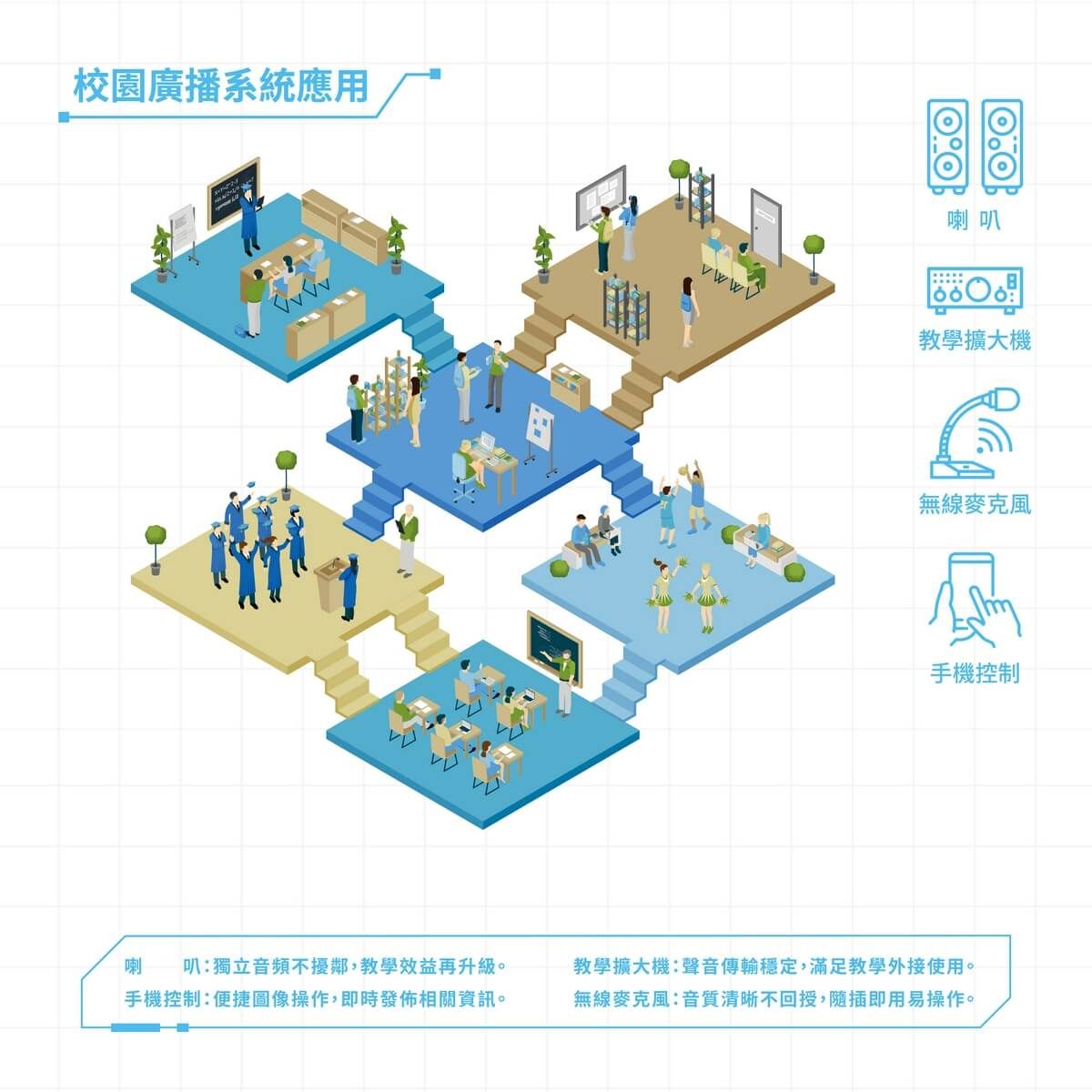
In densely populated urban areas, schools are often adjacent to residential zones. Frequent campus broadcasts and bells can often be a source of noise for nearby residents, leading to regular complaints from neighbors. While it is impossible to completely block sound transmission, how can we reduce the frequency of interference? Through zoned and targeted broadcasting, the frequency of wide-area broadcasts can be effectively reduced, which is why some call it 'eco-friendly addressable broadcasting.' This is also the most appropriate standard feature in high-density community environments.
How to choose the equipment configuration? You can plan based on the following requirements: Speakers/Amplifiers: Available in indoor and outdoor configurations, selected based on acoustic performance, durability, and aesthetics. For indoor setups, the primary consideration is clear, focused sound that blends with the room layout. It is recommended to choose directional speakers that match the interior design.
, making English listening tests and teaching convenient; if in an activity center or gymnasium, column array speakers should be selected to reduce echo and reverberation reflections
, which can effectively reduce sound reflection. For outdoor areas, the focus is on waterproof and dustproof features, and it is best to use horn speakers with ABS enclosures, which are durable and safe.
Teaching Microphones: Typically, teachers need voice amplification for teaching. Wired microphones limit flexibility, and holding them for long periods can cause joint injuries. Portable waist-worn PA systems produce a lot of noise and sharp sounds. Therefore, wireless teaching microphones are highly recommended
, with stable signal, clear sound quality without feedback, plug-and-play, and easy operation.
Classroom Integrated Amplifier: Considering that chalk dust in classrooms can easily damage microphone jacks, a detached audio input panel is selected for easier use and maintenance. An integrated amplifier with multiple audio source inputs is recommended.
, which not only stabilizes audio transmission quality but also allows connecting the audio output of the teacher's laptop to classroom speakers/amplifiers.
Remote Control System: Executing zoned broadcasting in the digital era makes convenient graphical operation a necessity, paired with remote management
, allowing the use of a mobile app for real-time broadcasting and text-to-speech (TTS) to publish school announcements and important messages, such as dismissal times, campus activities, and exam notifications, eliminating the cost of staff running back and forth to the broadcasting control room.
Smart Campus System: In addition to combining IoT management technology, AV streaming, and integrated multimedia publishing to smartly manage AV teaching materials and enrich teaching, schools can also use schedule settings to
Smart and automated control of electrical equipment switches on campus
, and integrated government Open Data to achieve
Earthquake early warning, weather and air quality data display, bus arrival information, and the number of Ubikes at each station
etc., to construct a convenient, comfortable, safe, and happy learning environment.
Factory PA System Applications
Many factory sites may face these issues: loud noise during machinery operation, vast and expansive factory grounds, and lack of clear partitions between areas, which lead to mutual interference of broadcast information, poor voice clarity, and even an inability to respond immediately during emergencies, resulting in losses. Alternatively, legacy broadcasting equipment may be outdated, making maintenance and upgrades difficult, which impacts the efficiency of message transmission in the factory. Through a new type of PA system configuration, we can reduce mutual interference between sounds, ensuring that broadcast content is clearly heard in both the entire area and individual zones. Furthermore, energy-saving environmental control equipment makes factory management more convenient and real-time.
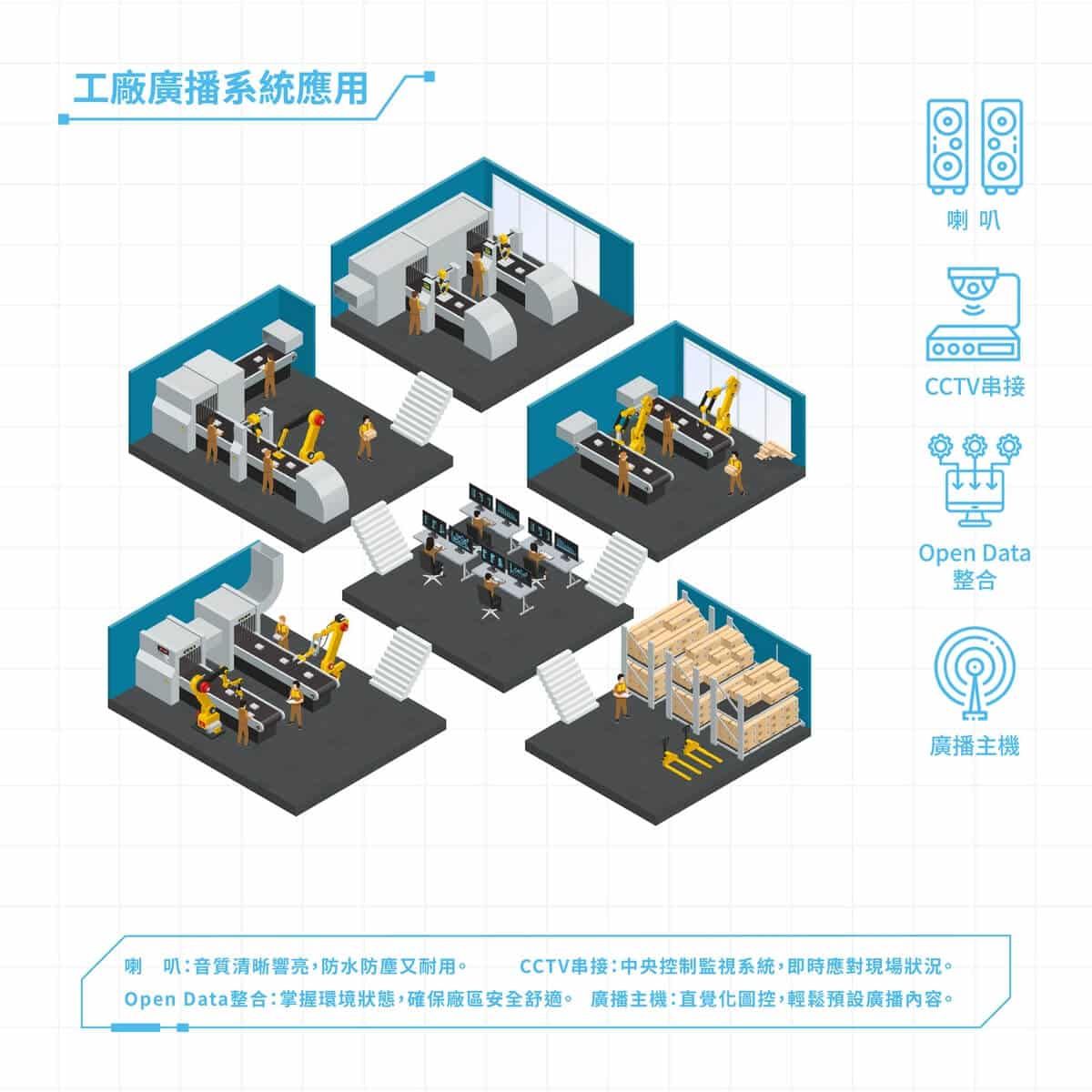
How to choose equipment configuration? Planning can be based on the following needs: Speakers / Amplifiers
To ensure reliable information dissemination, choosing horn speakers with dustproof, waterproof, and even fireproof functions is simple and durable. They can also make the sound output clearer and richer by increasing the sound pressure level. In factory environments where there may be many sources of interference, speaker equipment also needs to have good signal stability.
, and can even be managed remotely. To save the time and cost of personnel traveling back and forth, the intercom function is highly recommended
speaker equipment to conduct two-way communication, effectively making real-time responses to various situations.
PA Host
To increase factory capacity, remote control and automation have become inevitable. This is also a key point when choosing a PA system host, through intuitive graphical control operations
, quickly edit all-zone and multi-zone broadcast content, and through
Scheduled broadcasting, automatic playback without manual control
. If equipment abnormalities occur, it automatically reports to the main control end and conducts broadcast commands and manpower dispatching to quickly troubleshoot. It also
Make paging announcements from anywhere using a mobile phone
, or Text-to-Speech (TTS) broadcasting, greatly enhancing the flexibility and immediacy of broadcasting.
Environmental Safety Monitoring
There are many products and raw materials in the factory area that require comprehensive monitoring and detection. It is recommended to choose a PA system with environmental monitoring, which can trigger on-site warning devices in the event of an emergency.
(burglar alarms, strobe horns) to effectively prevent injuries. It also integrates
Real-time disaster alerts, weather, and air quality data display
, when an alert is issued by the Central Weather Administration, the system is automatically triggered to perform a zone-wide early warning broadcast, providing the most immediate emergency response to ensure greater safety and protection for factory personnel and property.
Control Room / Guard Room
In addition to integrating with factory surveillance cameras (CCTV), it is recommended to choose a system that can stream video to a video wall
, and can enlarge the video display in various situations. Security guards and management personnel can issue broadcasts and warning deterrents through the microphone
。
Shopping Mall PA System Applications
When we visit department stores, hypermarkets, shopping malls, and supermarkets of all sizes, we often hear various promotional advertisements, voice announcements, and music. These are designed to enhance brand and product exposure, and even elevate the consumer's shopping experience through high-quality music and event promotions. However, too many or too few announcements can negatively impact the shopping experience, making it necessary to find a balance. Through zoned broadcasting and scheduled publishing, announcements can be broadcast in different areas at specified times. A comprehensive audiovisual PA system can also make the mall's atmosphere more lively while ensuring safety and security.
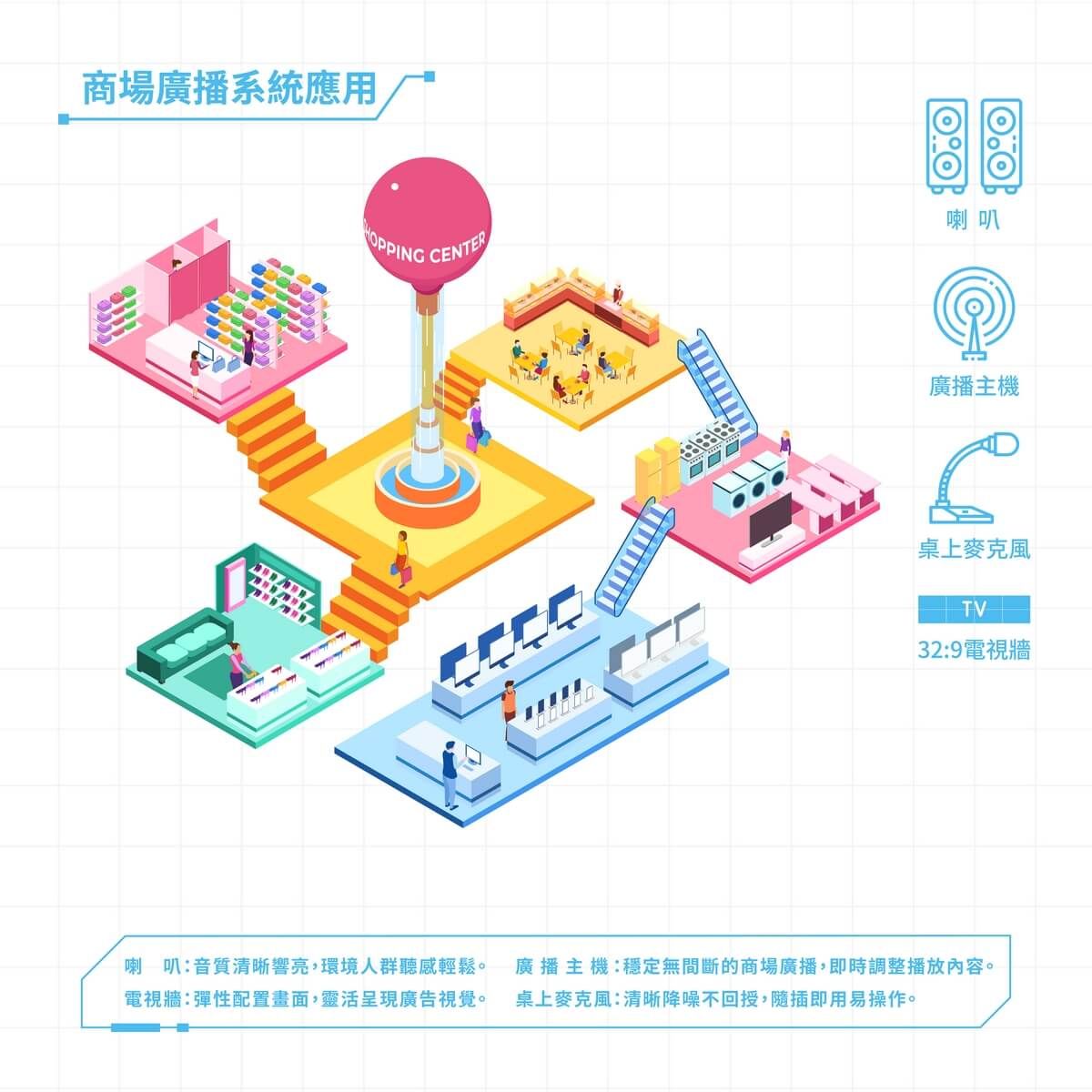
How to select and configure public address equipment? Planning can be based on the following needs: Speakers/Loudspeakers: For the aesthetics and integrity of the shopping mall, it is recommended to choose
Wall-mounted, ceiling, and in-wall full-range speakers
, easily installed in various locations throughout the shopping mall to blend seamlessly into different environmental layouts. Waterproof, dustproof, and shockproof features can reduce damage rates. Equipped with excellent speaker drivers, they deliver clear and rich sound quality for both voice announcements and music, ensuring a comfortable listening experience for everyone in the mall, even over long periods.
Desktop Microphone
Whether it is the customer service department or the security department, when broadcasting through a microphone, they need to filter out background noise and suppress interference. It is recommended to choose a directional microphone
, ensuring the clarity and quality of the broadcast content. A plug-and-play feature can further enhance operational flexibility.
PA Host
From the time the mall opens until it closes, the PA host must operate continuously. Playback functions with stability and flexibility are extremely important to ensure smooth music playback and real-time broadcasting. It is recommended to use
a PA main unit with a heat dissipation design and multi-functional audio input/output. It can even perform real-time broadcasting via a mobile APP
, eliminating the need for personnel to travel back and forth to the broadcasting room, greatly enhancing the flexibility and immediacy of broadcasting.
The intuitive software interface features a graphical user interface (GUI)
, playing different marketing advertisements for different floors, areas, and designated times, so that brands and products in each area can get full exposure. If the shopping mall space is large, it can also
Through IoT connection and environmental monitoring technology
, control electrical equipment within the venue, automatically adjust air conditioning temperature and ventilation, and display surrounding public transportation information, thereby enhancing customer experience and making shopping mall management more convenient and real-time.
Promotional Video Wall: Through flexible video advertisements, it can attract customer attention and improve the effectiveness of marketing advertisements and promotional activities. To meet the versatility of the video wall, content can be updated and managed at any time,
Recommended to pair with IP Distributed AV Controller
, allowing users to drag and drop to control the video source matrix via mobile phones and tablets. Full-screen display and split-screen layouts can be flexibly configured, with a WYSIWYG (What You See Is What You Get) editing interface and stable video transmission, meeting the application needs of different scenarios and various requirements.
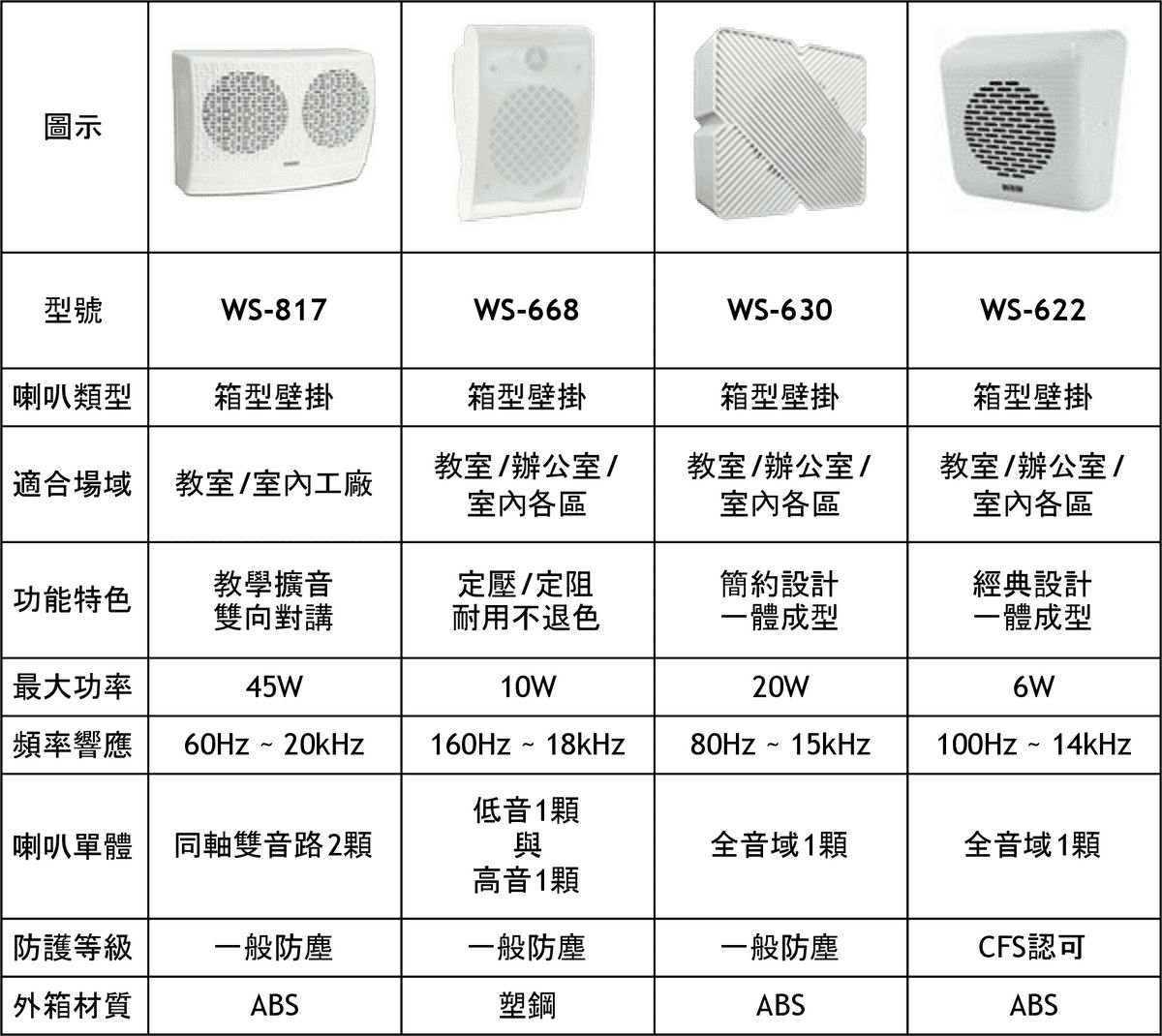
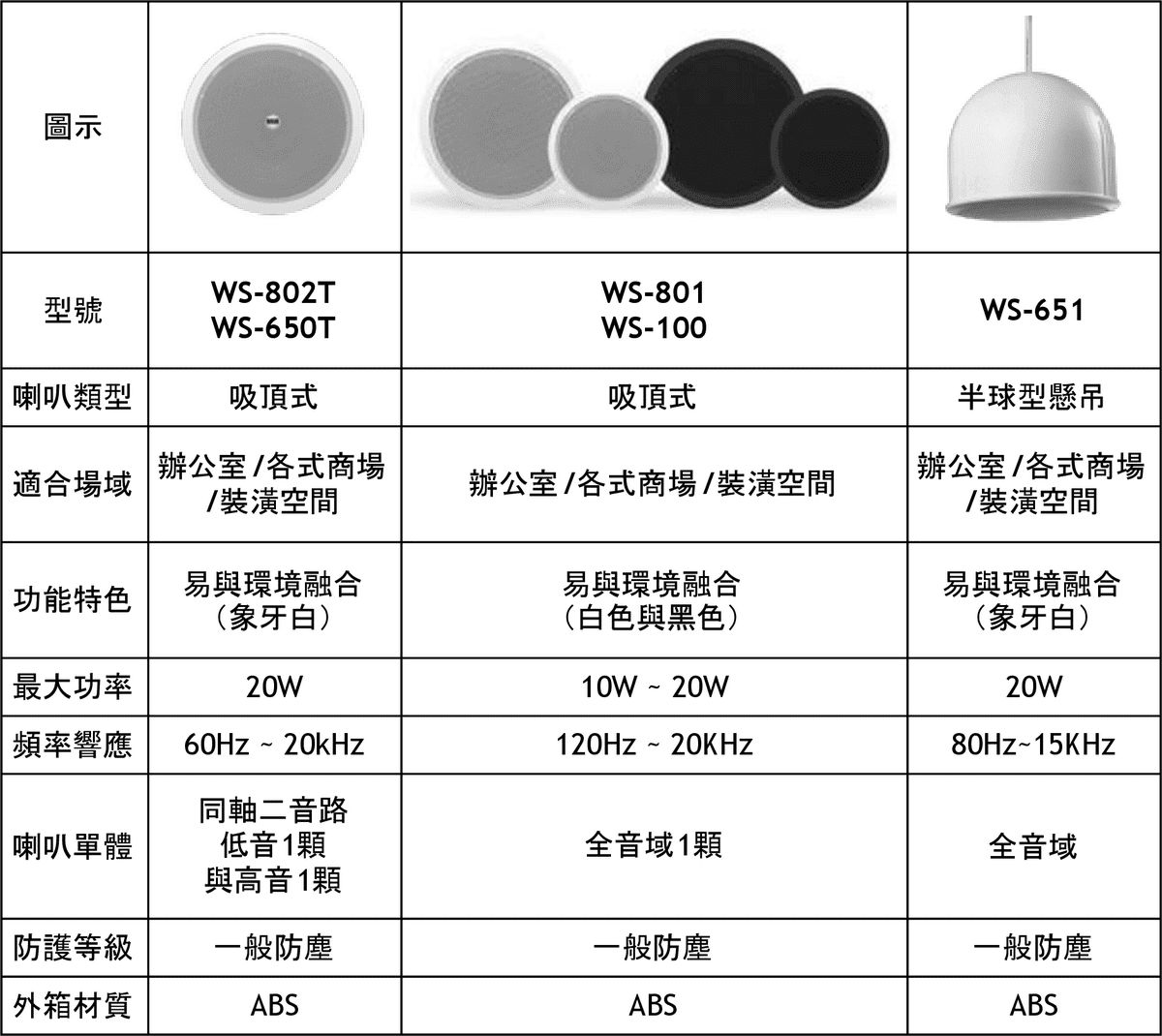
BXB Speaker List: The Best Integrated Solutions
To integrate most public address system equipment on the market, BXB Electronics can connect existing equipment through specialized control hosts, managers, and decoders. This eliminates the need to phase out related equipment or develop additional software, achieving maximum utility.
Welcome to read 【
How to configure amplifiers and speakers for a PA system?
] to learn tips on how to use it.
BXB's IP digital public address system is a broadcasting system that integrates multimedia distribution, zoned broadcasting, security, environmental monitoring, and AV intercom through the Internet of Things (IoT), Big Data, and AV streaming technologies, quickly building a convenient, comfortable, and safe communication environment.
If you have a PA application project to evaluate and want to choose suitable PA equipment, please contact BXB. We have professional consultants to provide you with the best solution!